
How to Install a Toilet Wax Ring in Hanover Park, IL
A wax ring seals the toilet to the drain. Here is how to replace one, check the flange, and know when the job needs a plumber.
The short answer: pull the toilet, replace the ring, reset it level
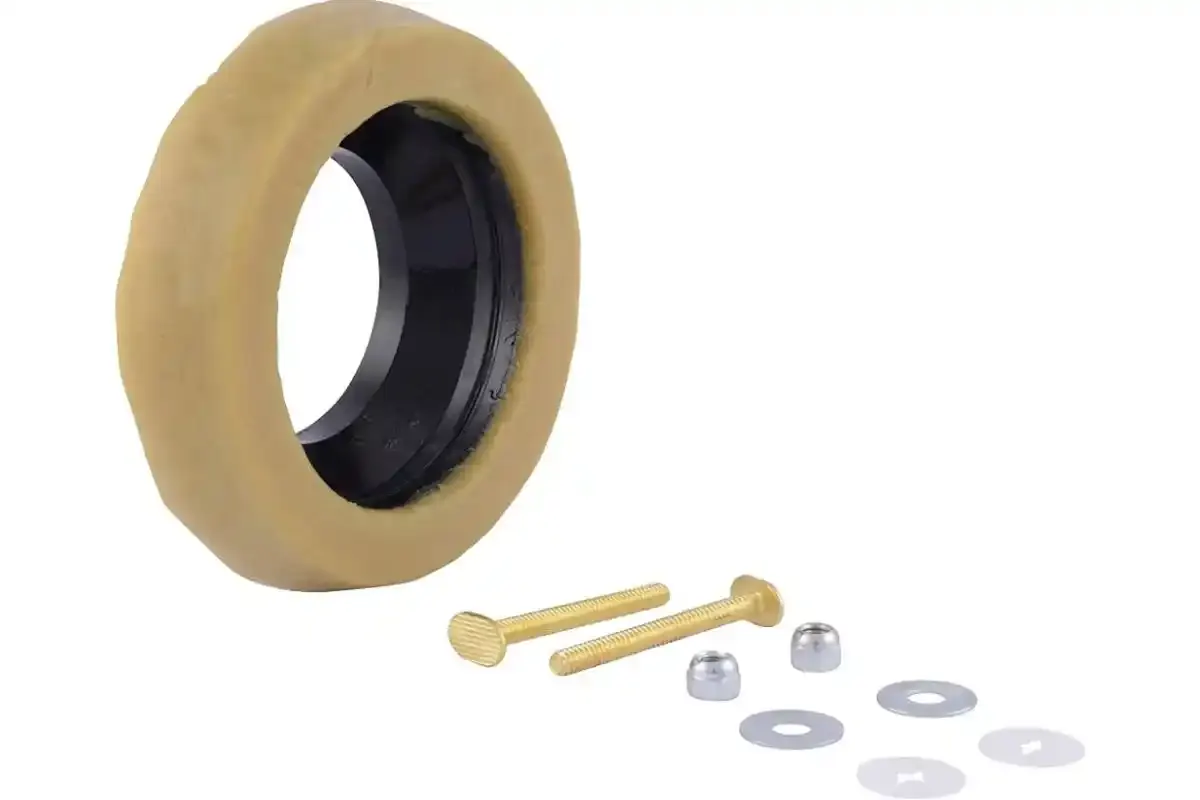
A wax ring sits between the toilet horn and the closet flange. It seals the drain and keeps sewer gas and water from escaping at the base. Replace it any time the toilet is lifted, rocks, or leaks at the floor.
The job takes four moves. Shut off and drain the toilet, lift it straight up, scrape off the old wax, then set a new ring and lower the bowl onto it in one pass. Never reuse a ring, because the wax will not reseal after it has been squeezed once.
Most of the trouble comes from the flange below the ring, not the ring itself. Check that part before you buy anything, because a cracked or low flange will ruin a new seal.
Signs the wax ring has failed
- Water seeps out around the base of the toilet after a flush.
- The bowl rocks or shifts when you sit down.
- A sewer smell hangs near the toilet even when the trap holds water.
- The subfloor or flooring around the base is soft, stained, or lifting.
- A ceiling stain appears below an upstairs bathroom.
A leak at the base is not always the ring. A loose closet bolt, a cracked bowl, or a bad supply line can look the same. Dry the floor, flush a few times, and watch where the first drop appears.
Tools and parts to gather first
You need a standard wax ring with a plastic horn or a wax-free seal, two new closet bolts, a putty knife, rags, a bucket, a sponge, and an adjustable wrench. A small level helps. Disposable gloves and a plastic bag for the old ring keep the mess down.
Match the ring to the setup. A standard ring suits a flange that sits level with the finished floor. A thicker or extra-thick ring is meant for a flange set slightly low. Stacking two rings is a poor fix because the pair can slip and leave a gap.
Step by step: replacing the wax ring
Shut off and drain
Turn the supply valve clockwise until it stops. Flush, hold the handle down, and sponge out what is left in the tank and bowl.
Disconnect and unbolt
Loosen the supply line nut by hand or with a wrench. Pop the trim caps and remove the nuts on the closet bolts.
Lift straight up
Rock the bowl gently to break the seal, then lift it level and set it on a towel or cardboard. Stuff a rag in the flange opening to block sewer gas.
Scrape the flange clean
Remove every bit of old wax with the putty knife. Inspect the flange ring for cracks, rust, or missing bolt slots.
Set bolts and new ring
Slide fresh bolts into the flange slots. Press the new ring onto the horn of the bowl, or set it on the flange, following the package.
Lower and seat the bowl
Remove the rag, line the bolt holes up, and lower the toilet straight down. Press firmly and twist a few degrees to seat it.
Tighten evenly
Snug each nut a little at a time, alternating sides. Stop when the bowl is firm. Over-tightening cracks the porcelain.
Reconnect and test
Reattach the supply line, open the valve, and flush several times. Check the base and supply fitting for drips.
How high the flange should sit
The closet flange should rest on top of the finished floor, or very close to flush with it. Many installers aim for about a quarter inch above the surface. If the flange sits below the floor, the ring cannot compress fully and the seal can weep.
Flooring changes are the usual cause. A new layer of tile or vinyl over old subfloor raises the surface and buries the flange. A spacer or flange extender kit fixes that without cutting the drain pipe.
| What you see | Likely cause | Typical fix |
|---|---|---|
| Flange level with or slightly above the floor | Normal setup | Standard wax ring |
| Flange sits a little below the floor | New flooring added | Extra-thick ring or flange extender kit |
| Flange well below the floor | Thick tile or layered flooring | Extender or flange replacement by a plumber |
| Cracked or rusted flange ring | Age, corrosion, or past leaks | Replace the flange or fit a repair ring |
| Flange loose on the floor | Rotted subfloor or missing screws | Repair the subfloor, then secure the flange |
| Flange pulled away from the pipe | Failed glue joint or broken cast iron | Plumber repair of the drain connection |
When the flange itself is broken
A broken flange is common in older homes. Cast iron rusts, plastic cracks when bolts are over-tightened, and a loose flange lets the toilet rock until the ring fails again. If the ring area will not hold a bolt, treat the flange as the problem.
A repair ring can bridge small cracks on a flange that is firmly attached. Deep rust, a missing section, or a flange that moves with the pipe needs replacement. That can mean cutting into the waste line, which is work for a licensed plumber.
Rotted flooring is a second warning. Press a screwdriver tip into the wood beside the base. If it sinks in easily, the subfloor has been wet for a while and needs repair before the toilet goes back.
If the floor is soft or the flange is cracked, our crew can take over. Call us any hour for toilet repair.
Wax versus wax-free seals
Wax rings are cheap and forgiving on a clean, level flange. Wax-free rubber and foam seals can handle a slightly uneven flange and can be repositioned without a mess. They cost more, and some need a firm, flat surface to work.
Either seal depends on a stable toilet. Use the bolts, set the bowl level, and add shims at the base if the floor slopes. Caulk around the base after the test if you like, but leave a small gap at the back so a leak can show itself.
Plumbing in a Hanover Park home
What Hanover Park homeowners should know
Village housing is largely from the 1960s and 1970s, so many bathrooms still have original cast iron or clay drain lines under the floor. Old closet flanges in those homes can be rusted or loose. If you find a flange that crumbles, stop and call before you force a new ring onto it.
Hanover Park's Inspectional Services Division allows an owner-occupant to do their own plumbing work under a Homeowner Plumbing Affidavit, but any helper you hire must be an Illinois-licensed plumber. Work on the drain line itself may need a permit. Call the division to check before you cut into a waste pipe, and note that the office is closed Wednesdays.
Source type: Village of Hanover Park, Inspectional Services Division
When to call a plumber
Call for toilet repair if the flange is broken, the bowl will not sit level, or the floor around it is soft. A toilet that keeps running or clogging after the reset may point to a deeper blockage, which calls for drain cleaning.
If sewage backs up in more than one fixture, stop using the plumbing. That pattern usually means a main line problem, not a bad seal. Crews cover Streamwood and Bartlett as well as Hanover Park, any time of day.
Common questions
There is no set schedule. A good ring can last for decades, but replace it whenever the toilet is removed, rocks, or leaks at the base.
No. Wax is squeezed into shape the first time and will not seal properly a second time. A new ring costs little compared with water damage.
The flange may be low, cracked, or loose, or the bowl may not be seated level. A supply line or tank bolt leak can also mimic a base leak.
Many installers caulk the front and sides but leave the back open. That way, if the seal fails, water shows up instead of hiding under the bowl.
No. The small valve behind the toilet is enough. Use the main shutoff only if that valve is stuck or leaks.
Owner-occupants can use a Homeowner Plumbing Affidavit through Inspectional Services. Any plumber you hire to assist must hold an Illinois licence, and drain-line changes may need a permit.
Need a plumber for a leaking toilet?
Our crew answers around the clock in Hanover Park. Call and we will talk through the problem.